
Conviértete en una Escuela de Educación Creativa
 Escuela
 Kindergarten


64 Mongesi Road
Khayelitsha 7784, Cabo Occidental Ciudad del Cabo
Sudáfrica
África
Tel: 27 21 360 8012
E-Mail: zenzeleni.admin@ centreforcreativeeducation.org.za
Centre for Creative Education Zenzeleni Campus, known as Zenzeleni Waldorf School, in Cape Town’s Khayelitsha township was founded in 1999 by local teachers, with the guidance and support of educators from the Centre for Creative Education (CCE), accredited teacher-training college in Plumstead, Cape Town.
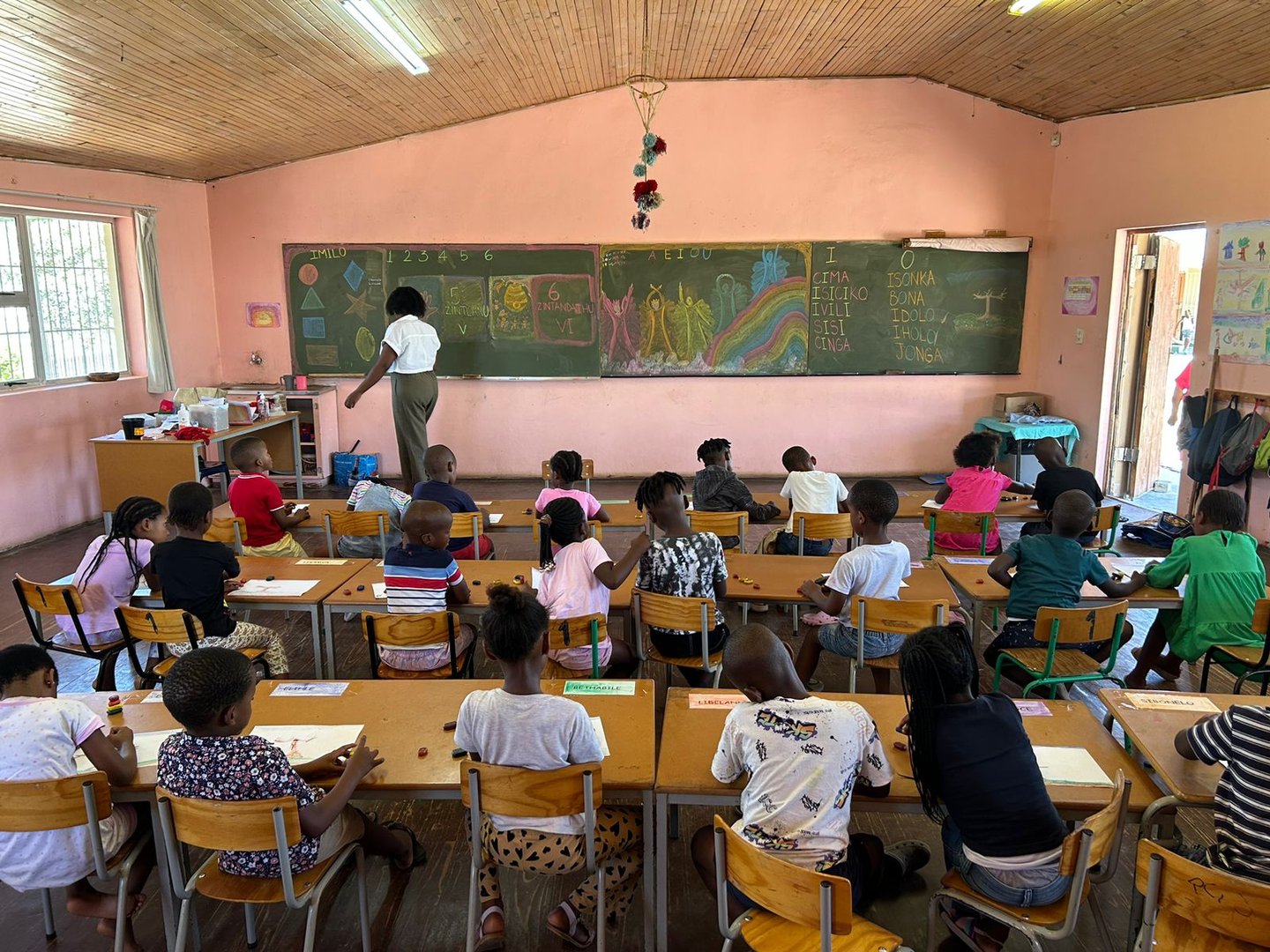
The school was started in response to a request from parents who wanted their children to continue receiving the caring, rich creative play and learning opportunities their children had experienced at a pre-primary school led by a principal who had trained at the CCE. From inception, Zenzeleni grew by one class each year. It has classes from Grade R (Kindergarten) to Grade 7.
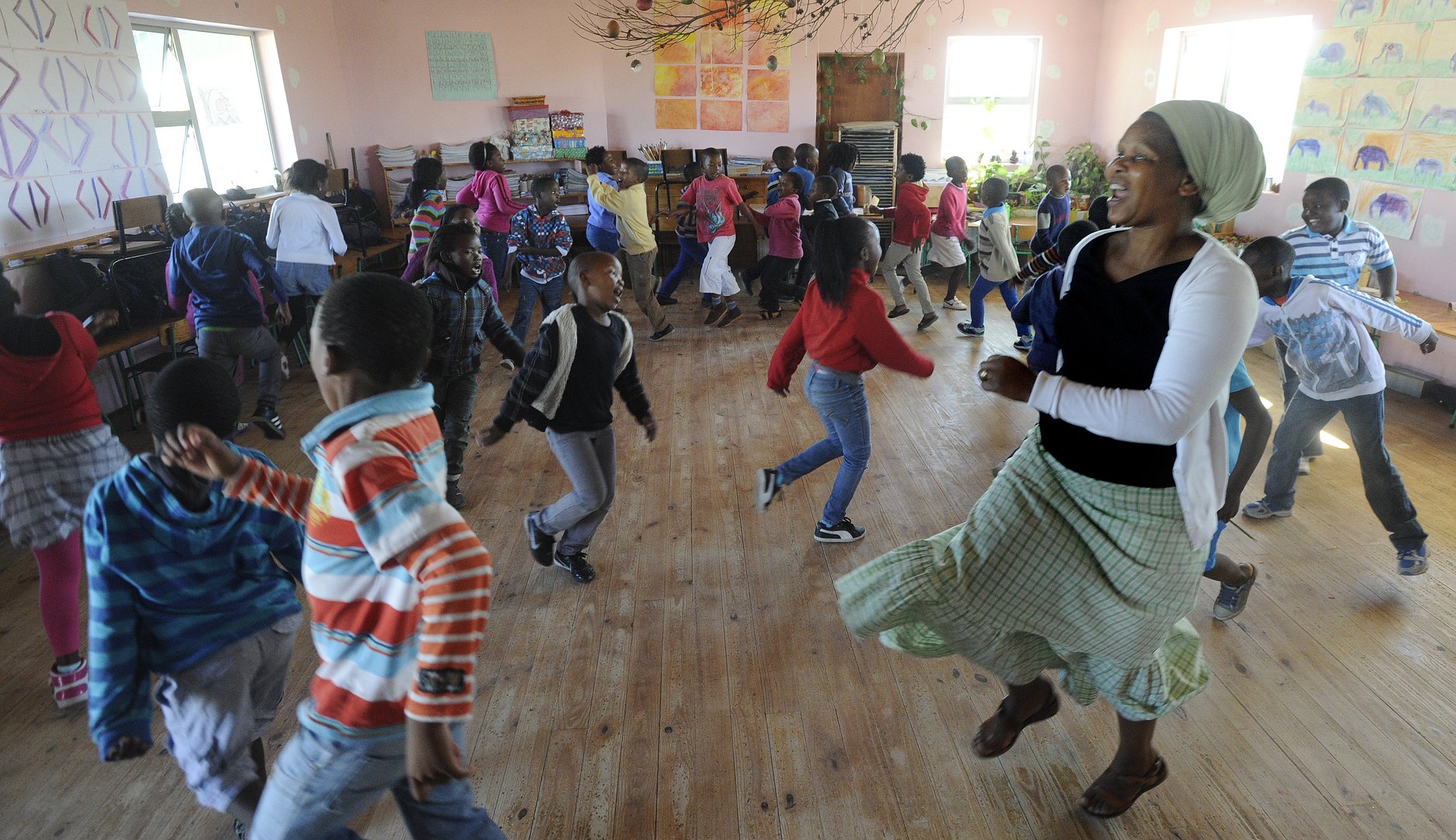
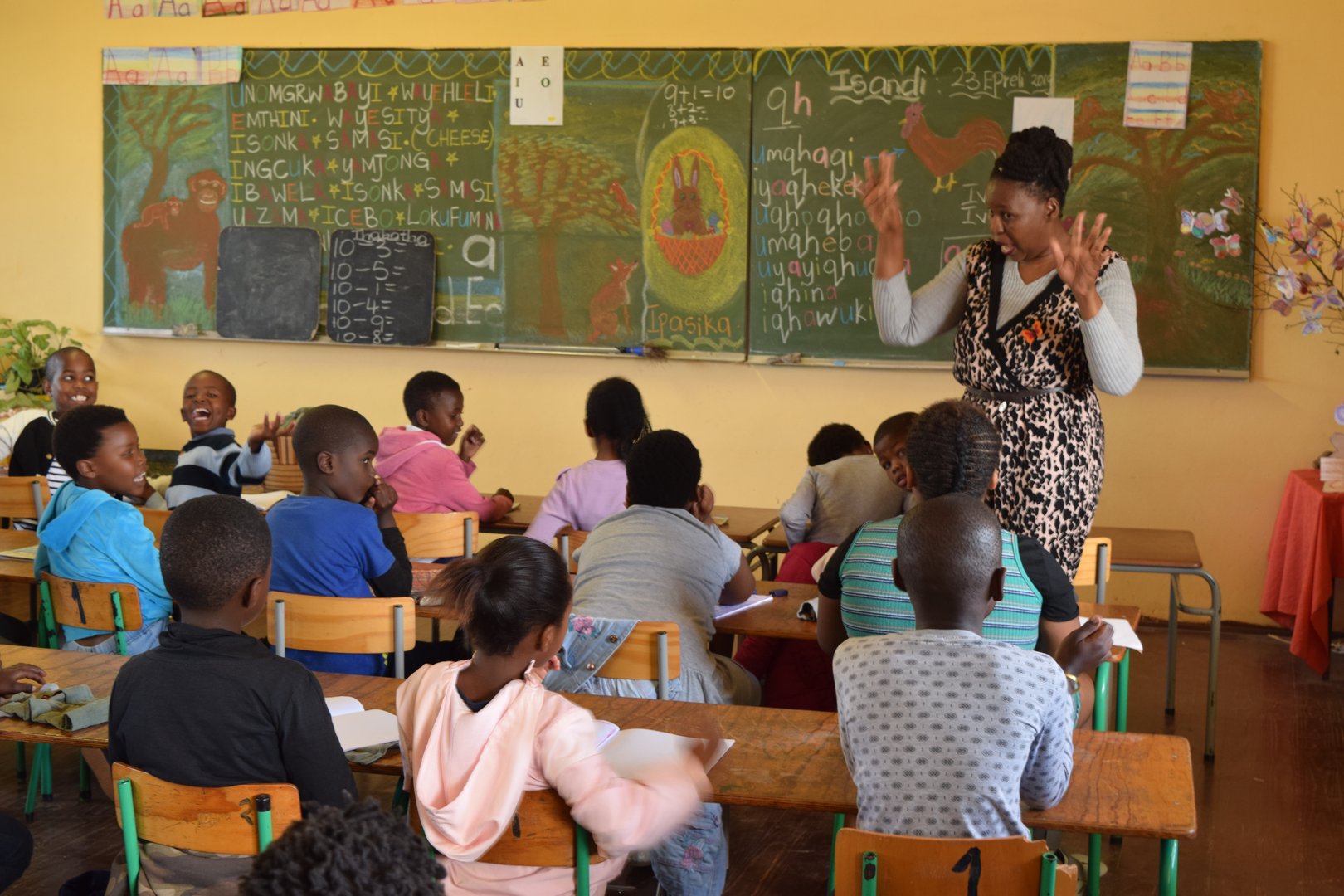
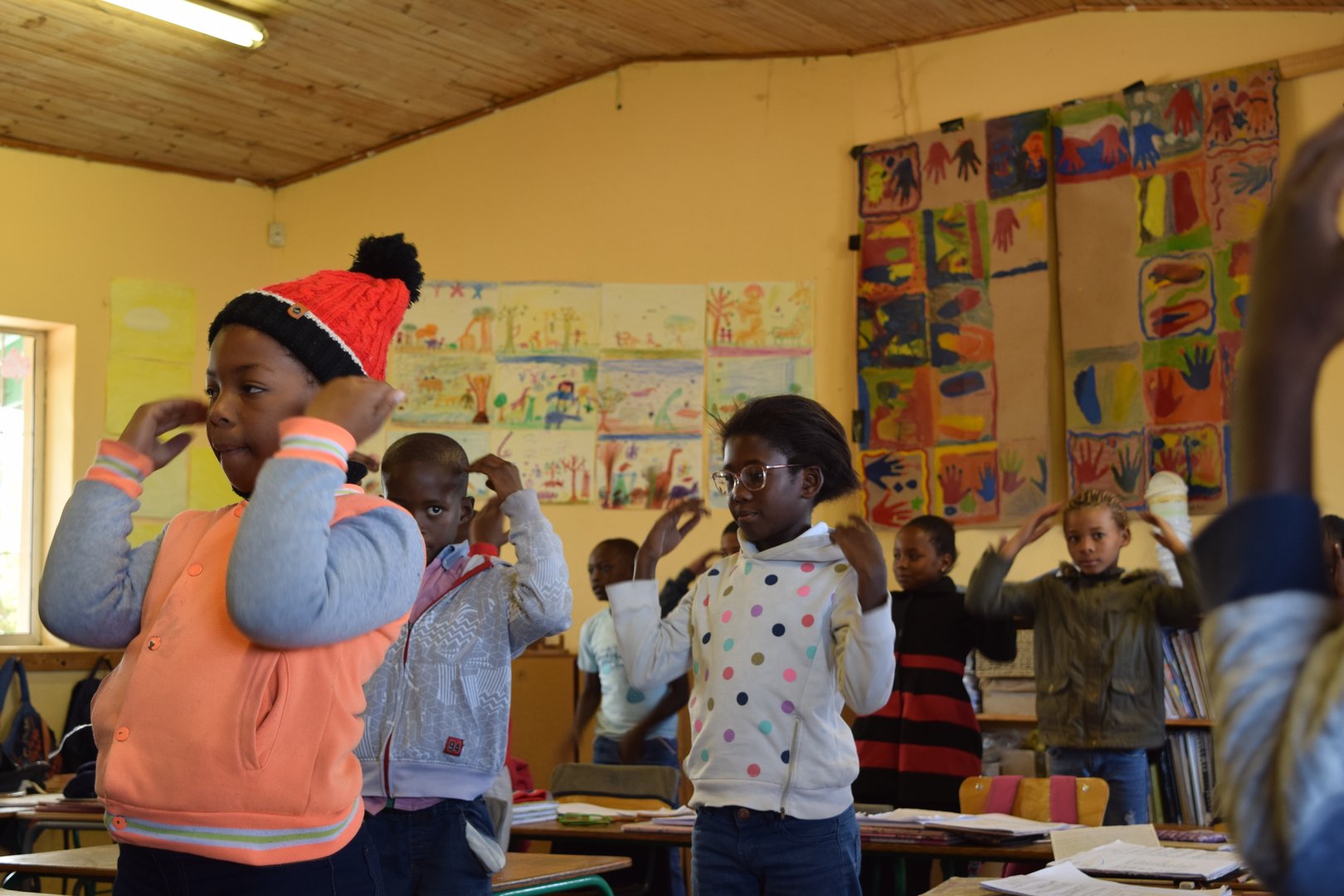
The teaching focuses on the child, meeting each in an age-appropriate way – using innovative ways to facilitate an enjoyable, inspiring learning experience. Movement, music, verses, storytelling, art, and craft are some of the methods and skills used to enliven and educate children. The pedagogy, caring nature of the teachers, individual attention for each child, even in large classes, is what makes Zenzeleni special.
Zenzeleni aims to develop responsible citizens by awakening a sense of responsibility in the children. The intention is to develop their capacity so they become confident, well-balanced, caring individuals; conscious of what each has to offer and of the value of positive social interaction through considering others. The hope is that they will be empowered to work creatively with challenges in an ever-changing society.
Zenzeleni is in the Cape Flats - endlessly flat and sandy. Khayelitsha, meaning ‘new home’ was one of the last attempts to enforce the Group Areas Act (1950) which saw the forced removals of many during Apartheid years. Khayelitsha was built in the early 1980s as a solution to the increased number of migrants from the Eastern Cape and overcrowding in other townships. Black people were not allowed to live in cities - they were simply to be the workforce, and travel far daily to workplaces. After Apartheid was ended Khayelitsha continued to grow, because many continued to settle there, hoping to find work in Cape Town, putting up huts made of corrugated iron and wood. While there are cement block houses now, the shack homes increase every year. Many do not find work, a situation made worse by the Covid lockdowns resulting in businesses closing. The township has an unemployment rate of over 75%.
Efforts to improve living conditions in Khayelitsha have not yet reached everyone living there. Some areas still do not have running water and electricity. In addition to the poverty experienced by many, illnesses like TB and HIV AIDS, gangsterism, crime, violence, physical, sexual and emotional abuse are some of the problems in the township. Daily repeat trauma and transgenerational trauma has a negative effect on the community.
The school fee parents are expected to pay is Euro 23 monthly per child. The government provides 40% towards the costs of the school. The rest is raised by approaching donors who are able and willing to support the valuable education provided by the school.